What the Serengeti actually is
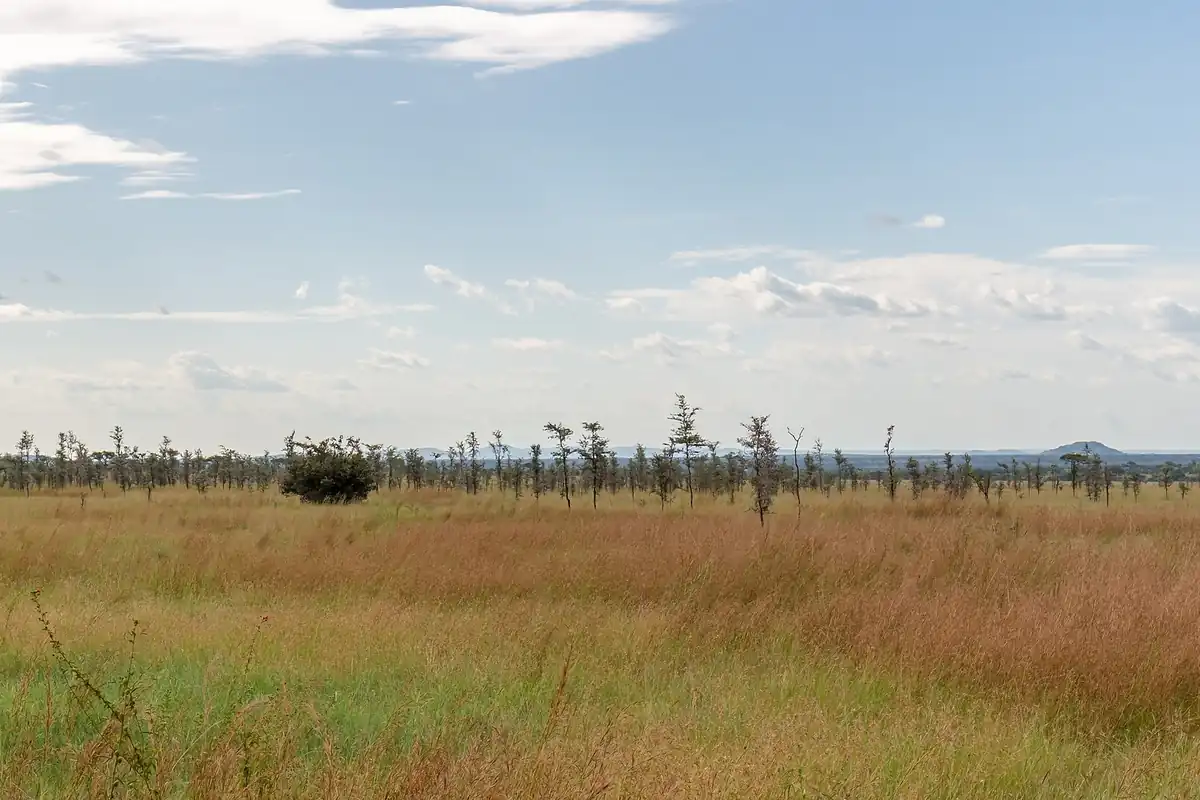
Serengeti National Park covers a vast stretch of grassland, acacia woodland and granite outcrops in northern Tanzania, running up to the Kenyan border, where it meets the Maasai Mara. It is the centre of one of the largest remaining overland animal migrations: well over a million wildebeest, along with large numbers of zebra and gazelle, moving in a broad loop through the year in search of fresh grazing. Lions, leopards, cheetahs, hyenas, elephants, giraffes and buffalo are resident across much of the park. UNESCO inscribed it on the World Heritage List in 1981.
The key thing to understand is that the Serengeti is not one place. The southern short-grass plains, the central Seronera valley, the western corridor towards Lake Victoria and the northern hills near the Mara River each have a different feel, and where you should go depends heavily on when you travel.
Best time to visit, month by month
Tanzania has two rainy seasons: the short rains, roughly November to December, and the long rains, roughly March to May. The rest of the year is drier. Use this as a guide, and see our best time to visit guide for how it compares with other destinations.
| Months | Where the herds tend to be | Conditions |
|---|---|---|
| January–February | Southern plains and the Ndutu area, calving season | Generally dry between rains; predator action around the young animals |
| March–May | South, gradually moving north-west | Long rains, with April usually the wettest; green landscapes, fewer visitors, some camps closed |
| June–July | Western corridor, then heading north | Dry season begins; the Grumeti River crossings can happen around this time |
| July–October | Northern Serengeti, near the Mara River | Peak dry season and the famous river crossings; the busiest period |
| November–December | Moving back south | Short rains; herds are on the move and visitor numbers dip |
The migration follows the rain, not the calendar, so treat these windows as tendencies rather than guarantees. The central Seronera area has good resident wildlife all year, which makes it a reliable base whatever the month.
Getting there
The usual entry point is Kilimanjaro International Airport (JRO), between Arusha and Moshi. Some travellers arrive via Dar es Salaam or Zanzibar and connect on domestic flights. From Arusha, the northern safari hub, there are two ways to reach the park:
- By road: a long but rewarding drive west over the Ngorongoro highlands, often broken with a stop at the Ngorongoro Crater or Lake Manyara. Expect most of a day, with rough sections on unpaved roads.
- By light aircraft: small planes fly from Arusha's domestic airport to airstrips inside the park, such as Seronera in the centre and others in the north and west. This saves a lot of time and suits shorter trips, though luggage limits are strict and soft bags are usually required.
Self-driving is possible but uncommon; most visitors travel with a licensed safari operator and a guide-driver who knows the tracks and current animal movements.
If you are travelling from India: there are connections to Tanzania through Gulf and East African hubs, including routes through Nairobi, Addis Ababa and Dar es Salaam. Check visa requirements on the official Tanzania e-Visa portal, and ask a health professional well before travel about vaccinations, yellow fever certificate rules for your route and malaria prevention. Vegetarian meals are widely available in safari camps if you request them when booking.
Park entry and permits
Serengeti is managed by Tanzania National Parks (TANAPA). Park entry is charged per person for each day you spend inside, and separate concession or camping fees can apply depending on where you sleep. Fees are revised from time to time, so check the current details on the TANAPA website or with your operator. Hot-air balloon flights, walking safaris and night drives are only allowed in particular zones and under specific permits.
How long to stay, with a sample plan
The park is huge, and distances between regions can take many hours to drive. Three nights is a sensible minimum; four or five lets you combine two areas without spending most of your time in the vehicle.
A four-day outline (dry season, July–October)
- Day 1: fly or drive from Arusha to the central Serengeti. Afternoon game drive around the Seronera river valley, known for big cats.
- Day 2: full day in the centre, including the granite kopjes where lions often rest and the surrounding plains.
- Day 3: transfer north towards the Mara River, game-driving on the way. Settle near the crossing points.
- Day 4: early start at the river. Crossings are unpredictable, so patience is part of the experience. Fly back to Arusha in the afternoon.
In the calving season, swap the northern leg for the southern plains around Ndutu, which sits partly in the neighbouring Ngorongoro Conservation Area.
Practical tips
- Clothing: neutral colours such as khaki, olive and beige work best. Avoid dark blue and black, which can attract tsetse flies in some woodland areas.
- Layers: early mornings in an open vehicle are cold, and the afternoons are warm. A fleece, a windproof jacket and a hat cover most situations.
- Binoculars and camera: one pair of binoculars per person makes a real difference. A zoom lens is more useful than a wide one, and a beanbag helps steady it on the vehicle frame.
- Health: use insect repellent at dawn and dusk, sleep under nets where provided and follow medical advice on malaria.
- Dust and bumps: roads are rough. Bring a scarf for dust and keep electronics in a padded bag.
Our packing list has a safari section, including how to pack within light-aircraft luggage limits.
Where to base yourself
Accommodation inside the park ranges from public campsites to permanent lodges and seasonal tented camps that move with the migration. Rather than choosing by name, choose by region: central Seronera for year-round wildlife and easy access, the north from about July to October, the south and Ndutu from about December to March, and the western corridor around June. Arusha is the practical base for the night before and after.
Respectful and responsible travel
Stay in the vehicle except at designated sites, keep to the tracks, and ask your guide not to crowd animals or chase sightings. At river crossings, large numbers of vehicles can block the herds' approach, so a good guide will hang back. Never feed wildlife, and keep noise low. Communities around the park, including Maasai villages near Ngorongoro, welcome visitors in some places; visit through arrangements that pay the community directly, and always ask before taking photographs of people.
Pair it with
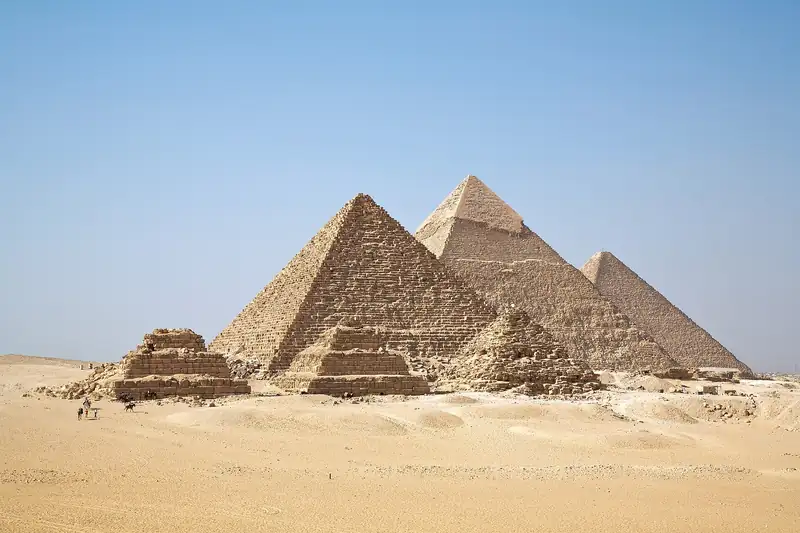
For another great wildlife park on a very different continent, look at Yellowstone National Park, where bison, elk and wolves take the place of wildebeest and lions. Travellers combining safari with history can reach Egypt's Pyramids of Giza with a connection through the region's hubs.
Official sources
Check these before you go: entry rules, opening days and fees are published here and change from time to time.
- Tanzania National Parks (TANAPA)
- Tanzania Tourist Board
- UNESCO World Heritage listing
- Tanzania Immigration e-Visa portal
Book your trip to Serengeti National Park
Affiliate links. If you book through these partner links, Tripsya may earn a commission at no extra cost to you. Partners never see or shape our guides. How this works.
Or go straight to a partner:
- Hotels in ArushaBooking.com ↗
- Flights to Kilimanjaro (JRO)Aviasales ↗
- Airport transfers in TanzaniaKiwitaxi ↗
- Tanzania eSIMAiralo ↗
- Travel insurance for this tripVisitorsCoverage ↗
Hotel and flight searches open for 15 January 2027 to 20 January 2027, in the best season from this guide. Change the dates on the partner site.
Live partner search, loaded only when you choose one:
Frequently asked questions
When is the best time to see the Great Migration in the Serengeti?
The herds calve in the southern Serengeti around January to March, move west and north through the middle of the year, and are usually near the Mara River in the far north from about July to October. Exact timing depends on the rains each year.
How many days do you need in the Serengeti?
Three nights is a sensible minimum because the park is large and drives between areas are long. Four or five days let you cover two regions, such as the central plains and wherever the migration is.
Which month should you avoid for a Serengeti safari?
April is usually the wettest month of the long rains, when some tracks become muddy and a few camps close. Safaris still run, but conditions are less predictable.
How do you get to the Serengeti?
Most visitors fly into Kilimanjaro International Airport, overnight in Arusha, then either drive through the Ngorongoro highlands or take a light-aircraft flight to one of the park's airstrips.
Is the Serengeti in Tanzania or Kenya?
Serengeti National Park is in northern Tanzania. It borders Kenya's Maasai Mara reserve, and the two form part of the same migration ecosystem.
Planning tools: compare months for every destination in the best time to visit planner, sketch a multi-stop route in the trip planner and build a checklist with the packing list builder.