
Why planning matters more than it used to
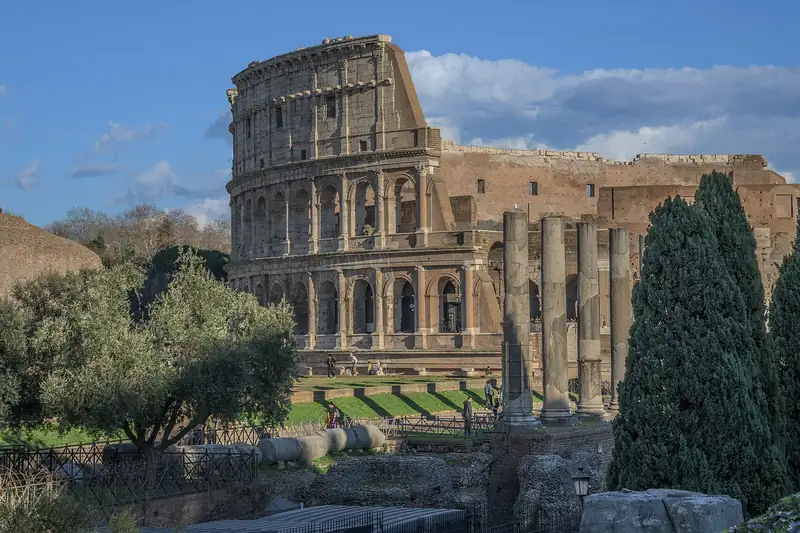
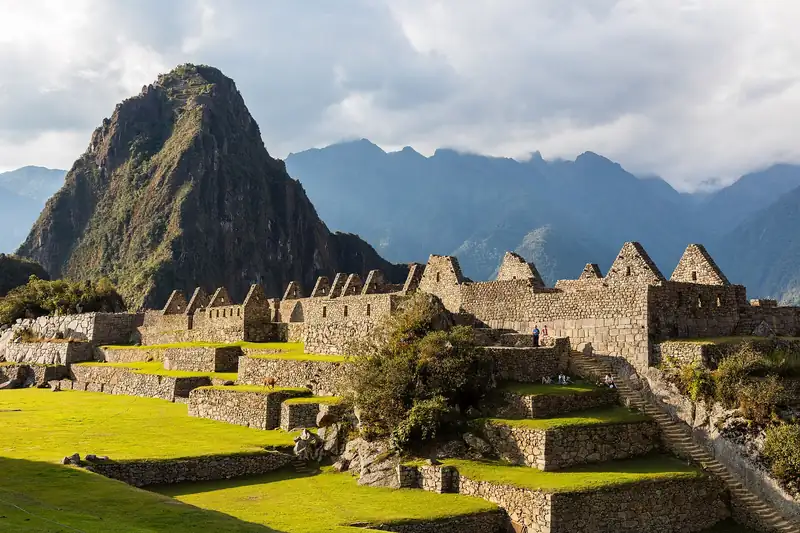
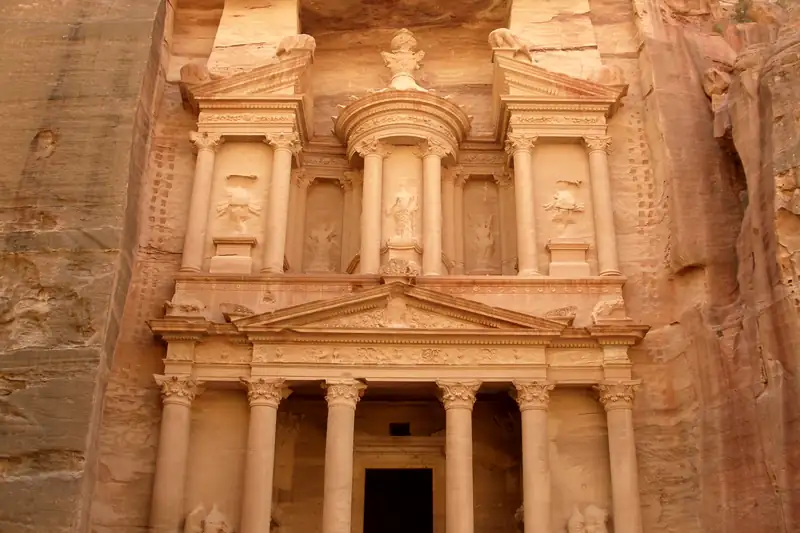
The world's most famous heritage sites are busier than ever, and many have responded with timed tickets, daily caps, set routes and stricter rules on bags, drones and behaviour. That is good for the monuments, but it means you can no longer turn up and expect to walk in. A visit to the Taj Mahal, the Colosseum, Machu Picchu or Petra goes far better with a few decisions made in advance. This checklist works for almost any site on the UNESCO World Heritage List.
1. Start with the official source
Every major site has a managing authority: a national park service, an archaeological park, a ministry of culture or a regional tourism authority. Find its website before anything else. That is where you will find current opening hours, closure days, ticket types, the current fee and any rules introduced since the guidebooks were written.
- Search for the site's name plus "official" and check that the web address belongs to a government, park authority or the site itself.
- Note weekly closure days, public holidays and religious days that affect opening. Some monuments close one day a week; others restrict entry on Fridays or during festivals.
- Check whether areas you care about, such as an underground level, a summit trail or an inner chamber, need a separate ticket.
2. Book timed-entry tickets through official channels only
Timed entry is now normal at many landmarks. You pick a date and a slot, and you must arrive within that window. Popular slots, especially early morning, sell out days, weeks or, at a few sites, months ahead.
- Decide your dates and the slot you want before booking flights for the tightest sites, so a sold-out day does not wreck the trip.
- Book on the official website or at the authority's own counters. Lookalike sites and resellers can charge more, sell invalid tickets or leave you with no recourse.
- Use the exact name and ID number you will carry. Tickets are increasingly personal and checked at the gate.
- Save the confirmation offline and print a copy. Mobile signal at remote sites can be weak.
- Ignore touts at the entrance offering "skip-the-line" access. The official queue is the only queue.
3. Beat the crowds
- Go first or go late. The first entry slot is almost always the calmest; the last two hours before closing are second best.
- Avoid weekends and holidays in the host country, including school holidays and long weekends that bring domestic visitors.
- Walk against the flow. Many groups follow the same route; starting from the far end can give you empty spaces.
- Stay nearby. Sleeping in the nearest town lets you be at the gate when it opens instead of arriving with the tour buses.
- Consider the shoulder season. Our best time to visit guide shows which months balance weather and crowds at each landmark.
4. Plan for heat, altitude and terrain
Many great sites are in deserts, mountains or open archaeological ground with little shade. Petra involves kilometres of walking and steep stairs; Machu Picchu sits at altitude; the Roman Forum and the Taj Mahal's marble platform can be fierce in summer sun.
- Carry more water than you think you need, plus a hat, sunscreen and a light long-sleeved layer.
- Wear shoes with grip. Ancient paving, sand and stone steps are uneven and can be slippery.
- If a site is at altitude, spend a day or two acclimatising nearby before strenuous walking.
- Find out whether food is available inside. Some sites ban outside food; others have nothing at all.
Our packing list covers the kit for hot, high and long days on foot.
5. Respect dress codes and site rules
Religious and memorial sites usually expect modest dress, often meaning covered shoulders and knees, and some require you to remove or cover your shoes. Carrying a light scarf or shawl solves most situations. Secular sites tend to have practical rules instead:
- Bags: size limits and airport-style screening are common; large backpacks, tripods, food or certain items may be refused.
- Touching and climbing: do not climb on walls, sit on monuments or touch carvings and painted surfaces.
- Set routes: some sites now use one-way circuits; follow the signs.
- Behaviour: damaging or scratching a monument is a criminal offence in many countries, and visitors are regularly prosecuted.
6. Decide on a guide
A good guide turns stones into stories and helps you avoid backtracking. Some sites, including Machu Picchu, require visitors to enter with a guide on many or all circuits, so check the current rule. Hire licensed guides through official counters or the site authority, agree the length of the tour in advance, and ask to see their licence. If you prefer to explore alone, official audio guides or apps are a good middle ground.
7. Check accessibility early
Accessibility varies widely. Some monuments have lifts, ramps and wheelchair routes; others are made of steep steps and rough ground. Look for an accessibility page on the official site, ask about priority entry or assistance, and check whether companions can enter with you. Contacting the site authority before your visit often gets you the clearest answer.
8. Photography and drone rules
- Personal photography is usually fine outdoors, but flash, tripods or photography inside certain rooms and tombs may be banned.
- Commercial filming generally needs a permit.
- Drones are banned or require permits at most major heritage sites and often in the airspace around them. Assume no unless officially confirmed, and remember that national aviation rules apply too.
- Be considerate. Do not block paths for long shoots, and ask before photographing local people or worshippers.
9. Leave no trace
Heritage sites are fragile, and the damage from millions of visits adds up. Carry out everything you bring in, stay on marked paths, do not take stones or fragments as souvenirs, and keep noise low in religious and memorial spaces. Choose local guides, food and transport where you can so that tourism supports the communities that care for these places.
A quick pre-visit checklist
- Official website bookmarked and rules read
- Timed ticket booked in your name, saved offline
- Passport or ID matching the booking
- Early slot chosen, nearby base booked
- Water, sun protection, good shoes, modest layer
- Guide or audio guide decided
- Drone left at home
Official sources
Book your trip to The Taj Mahal
Affiliate links. If you book through these partner links, Tripsya may earn a commission at no extra cost to you. Partners never see or shape our guides. How this works.
Or go straight to a partner:
- Hotels in AgraBooking.com ↗
- Flights to Delhi (DEL)Aviasales ↗
- Tickets and tours: Taj MahalTiqets ↗
- Airport transfers in IndiaKiwitaxi ↗
- India eSIMAiralo ↗
- Travel insurance for this tripVisitorsCoverage ↗
- Flight delayed or cancelled? Check a compensation claimCompensair ↗
Hotel and flight searches open for 15 November 2026 to 17 November 2026, in the best season from this guide. Change the dates on the partner site.
Live partner search, loaded only when you choose one:
Frequently asked questions
Where should I buy tickets for a World Heritage site?
Buy only from the site's official website, the managing authority or a government-run counter. Many sites now sell timed tickets that are personal and checked against your ID, so third-party resellers and touts add risk.
What is the best time of day to visit a famous monument?
The first entry slot of the day is usually the quietest and coolest, followed by the last couple of hours before closing. Midday brings the heaviest crowds and, in hot climates, the strongest sun.
Can I fly a drone at a World Heritage site?
Usually not without permission. Many heritage sites and the countries around them ban or tightly restrict drones, so assume it is not allowed unless the official site says otherwise and you have the required permits.
Is it worth hiring a guide at a heritage site?
Often, yes. A licensed guide can explain what you are seeing and help you move around efficiently. Hire licensed guides through official counters or the site authority rather than from people approaching you at the gate.
Do heritage sites have dress codes?
Religious sites often expect covered shoulders and knees and may ask you to remove shoes. Secular sites rarely have formal dress codes, but sun protection and sturdy shoes matter far more than people expect.